
Affiliate disclosure: I may earn a commission if you buy through my links, at no extra cost to you.
This VisiVra review examines the vision supplement’s ingredients, pricing, and what buyers actually report. VisiVra is a once-daily capsule marketed for visual clarity, retinal health, and reduced screen-related eye fatigue.
Eye health supplements are a crowded space. And VisiVra has one big transparency problem that reviewers keep flagging: the label lists ingredient names but not dosages. That matters, because eye nutrients like lutein only work at studied amounts. Let’s look at what’s actually here.
What Is VisiVra?
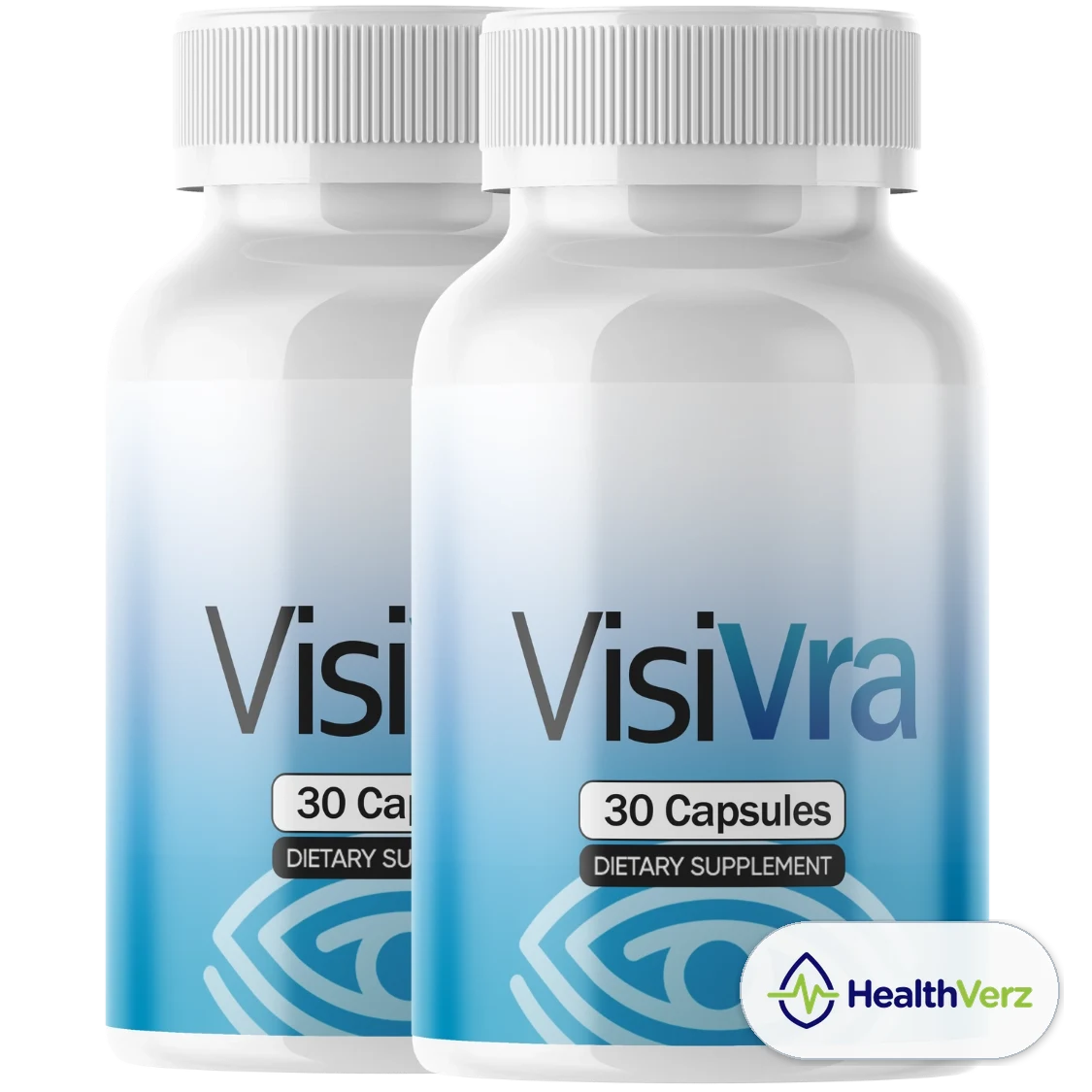
VisiVra is a dietary supplement for eye health. It comes as easy-to-swallow capsules, 30 per bottle. You take one capsule daily with water, preferably with food. The formula is positioned as premium support for visual clarity, retinal wellness, and long-term eye health.
It’s sold through tryvisivra.com, with checkout handled by BuyGoods. The company lists a support email and phone number, plus a fulfillment address in Aurora, Colorado. And it’s available only on the official website. Review sites note it’s not sold on Amazon or in retail stores.
How Does VisiVra Claim to Work?
VisiVra claims to work by delivering carotenoid antioxidants like lutein and zeaxanthin that concentrate in the macula, the part of the retina responsible for sharp central vision. These pigments act as natural blue-light filters. The formula also includes bilberry and astaxanthin for additional ocular antioxidant support.
The science behind the ingredient category is real. The NIH-backed AREDS2 trial studied lutein and zeaxanthin for age-related eye health. But here’s the issue: that research used specific doses. VisiVra doesn’t disclose its doses. So you can’t confirm whether the formula matches what was studied. That’s the central tension of this review.
VisiVra Ingredients: What’s Inside?
VisiVra lists six core ingredients across review sites. But none of them come with disclosed quantities. Here’s what’s named:
| Ingredient | Stated Role |
|---|---|
| Lutein | Supports retinal light filtering and macular pigment |
| Zeaxanthin | Macular pigment density, blue-light filtering |
| Bilberry Extract | Night vision comfort, eye fatigue (emerging evidence) |
| Astaxanthin | Antioxidant for ocular tissues |
| Zinc | Eye tissue support (one reviewer noted no copper listed alongside zinc) |
| Vitamin A | Ocular tissue support (form not disclosed) |
The ingredient selection itself is sensible. Lutein, zeaxanthin, and bilberry all have human eye-health research behind them. The NIH notes lutein’s role in eye health. But without doses, this is a trust exercise. Some reviews also mention vitamin C and omega-3 DHA as part of the profile, though the six above are the consistently cited set.
Does VisiVra Work?
Does VisiVra work? Based on buyer reports, the most common effect is reduced eye strain after 2 to 4 weeks of daily use. That’s the outcome reviewers mention most. A minority report subtle clarity or sharpness gains. Results build over 60 to 90 days, and not everyone notices a change.
But here’s the honest caveat. No published clinical trial exists for the finished VisiVra formula. The evidence is for individual ingredients. And since doses aren’t disclosed, you can’t verify the formula delivers research-backed amounts. It might. It might not. That’s the risk you’re accepting.
Is VisiVra Legit or a Scam?
Is VisiVra legit? The product itself appears legitimate. It’s sold through a real checkout system. There’s customer support contact info. The ingredients are real eye-health nutrients. And there’s a 60-day money-back guarantee.
But I have to flag something important. The video sales letter has been called out in a public scam-watch video for using unauthorized AI-generated depictions of celebrities and false “60 Minutes” endorsement claims. That’s a marketing problem, not necessarily a product problem. My advice: judge VisiVra on its ingredient label and buyer reports, not on the sales video. The VSL’s tactics don’t inspire confidence, even if the capsules themselves are real.
What Are VisiVra’s Side Effects?
VisiVra’s side effects appear rare. Most users report no issues. The occasional report mentions mild digestive upset. One thing worth noting: bilberry may interact with blood thinners, so if you take those, talk to your doctor first.
As with any supplement, consult your physician if you’re pregnant, nursing, taking medication, or managing a medical condition. And it’s not for anyone under 18.
How Much Does VisiVra Cost?
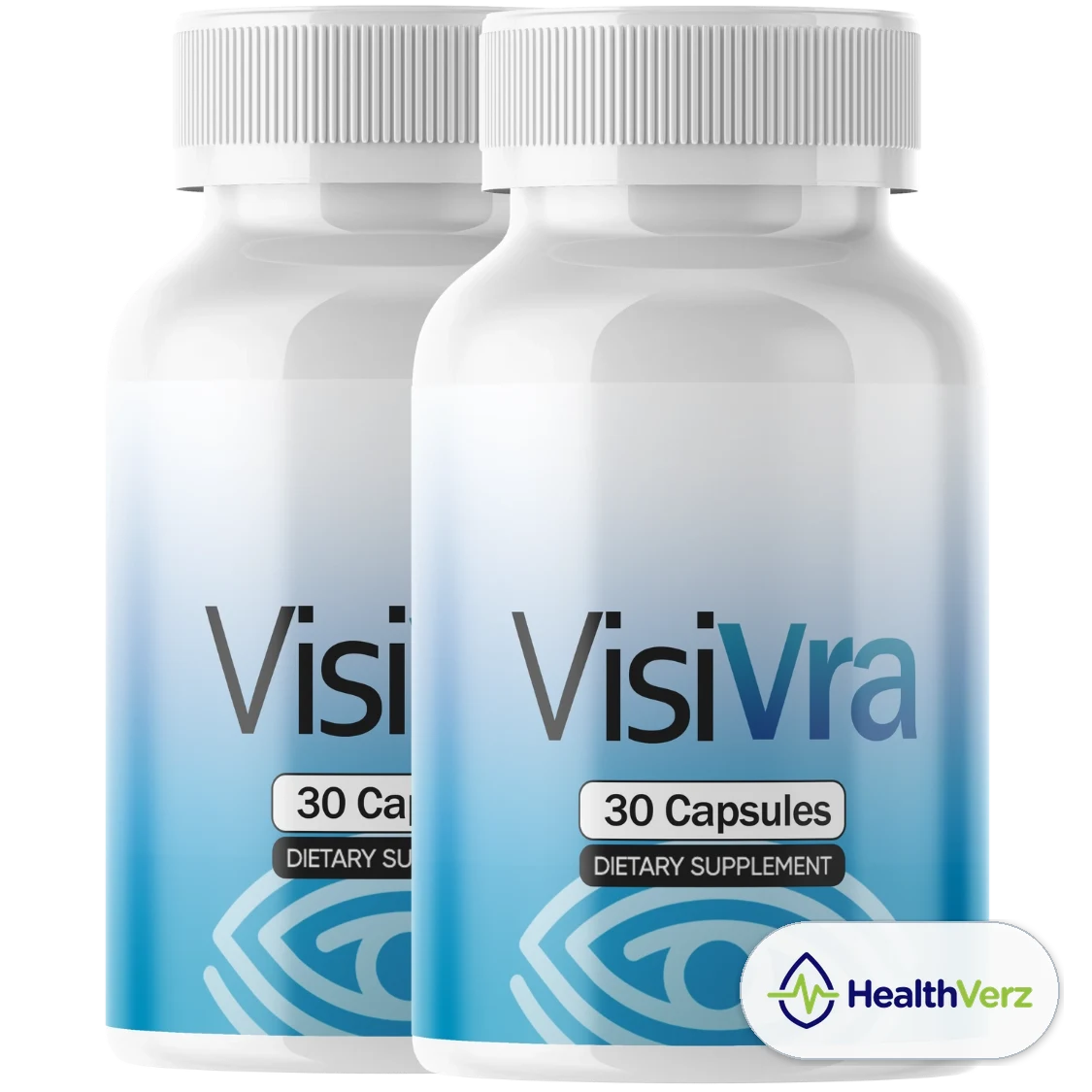
VISIVRA — official product pack shown on the official website
VisiVra pricing from the official page:
| Package | Supply | Per Bottle | Total |
|---|---|---|---|
| Starter (2 bottles) | 60 days | $79 | $158 + shipping |
| Most Popular (3 bottles) | 90 days | $69 | $207, free US shipping |
| Best Value (6 bottles) | 180 days | $49 | $294, free shipping |
There’s no single-bottle option. The entry point is two bottles at $158. Every order includes a 60-day, 100% money-back guarantee, with opened bottles included according to reviews. That’s longer than many competitors offer.
VisiVra Pros and Cons
VisiVra pros:
- Simple routine, one capsule a day
- Core ingredients have human eye-health research behind them
- Most users report less eye strain within 30 to 45 days
- Generally well tolerated
- 60-day refund window, longer than many competitors
- Made in the USA, GMP-certified per reviews
VisiVra cons:
- Ingredient dosages not disclosed, the biggest reviewer complaint
- Premium price versus generic lutein-zeaxanthin capsules
- Results take 30 to 60+ days and vary by person
- Official website only
- Sales video flagged for unauthorized celebrity imagery
- No clinical trial of the finished formula
Who Should Consider VisiVra?
VisiVra may suit adults dealing with daily screen fatigue who want a simple, one-capsule eye routine and don’t mind the premium price. The 60-day guarantee makes it a lower-risk trial.
But if ingredient transparency is non-negotiable for you, look elsewhere. There are eye supplements with fully disclosed lutein and zeaxanthin doses at lower prices. And if you’re on blood thinners, check with your doctor about the bilberry content first.
VisiVra FAQ
Does VisiVra work for eye strain?
Buyer reports suggest reduced screen-related eye fatigue within 2 to 4 weeks for many users. Clarity gains are reported less consistently. Results vary.
Is VisiVra a scam?
The product appears legitimate with real ingredients and a money-back guarantee. However, the sales video has been flagged for unauthorized celebrity imagery, so judge the supplement on its label, not the marketing.
What are VisiVra’s side effects?
Side effects are rarely reported. Occasional mild digestive upset is the most common mention. Bilberry may interact with blood thinners.
How much does VisiVra cost?
Packages start at $158 for two bottles. The best value is six bottles at $294 with free shipping. All orders include a 60-day money-back guarantee.
Where can I buy VisiVra?
Only from the official website. It’s not available on Amazon or in retail stores, according to review sites.
How do I take VisiVra?
One capsule daily with water, preferably with food.
Final Verdict: Should You Buy VisiVra?
Should you buy VisiVra? It depends on what you value. The ingredient lineup is sensible. The routine is simple. Buyer reports on eye strain are encouraging. And the 60-day guarantee is generous.
But the hidden dosages are hard to ignore. You’re paying a premium price without being able to verify clinical dosing. And the sales video controversy doesn’t help trust. If you want a straightforward lutein supplement with a transparent label, there are cheaper options.
If the convenience of a single daily capsule and the guarantee appeal to you, it’s worth trying. Just keep expectations realistic. Eye supplements work slowly, over weeks and months, not overnight.
🔒 Secure 256-bit SSL encrypted checkout · ✓ Money-back guarantee
Sources: NIH National Eye Institute (AREDS2); NIH Office of Dietary Supplements (vitamin A, zinc). This review is for informational purposes and is not medical advice.